
Why we cut our own tooling - and what it costs to be wrong
A steel mould is a bet placed nine months before revenue, on a drawing nobody outside the room has seen. Here is the checklist we run before we place it.
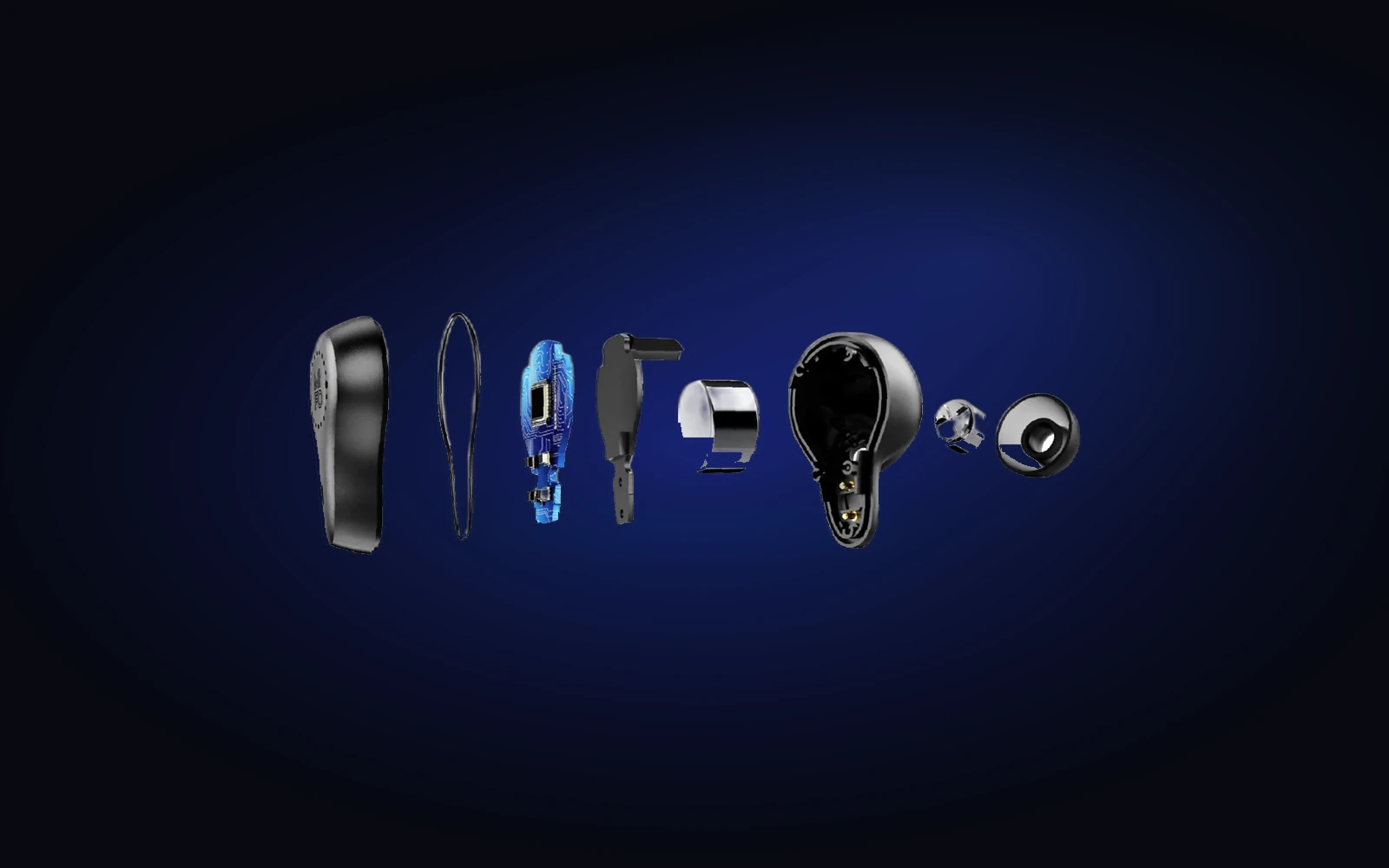
Fig. 01 — First steel programme, Mifo Gen 4 shell family
What has to be true before we cut
Most consumer brands never see a tool drawing. They pick a factory SKU, change the logo, and ship. We cut our own steel because the geometry, the cavity balance, the gate location and the steel grade are the product. That also means we own the downside: a wrong tool is nine months and a six-figure commitment you cannot reverse with a purchase order.
Four conditions. If any one of them is soft, the drawing goes back and the schedule takes the hit instead of the budget.
- Category demand is measured from sell-through and human-factors samples, not assumed from a factory catalogue page.
- Critical dimensions are locked after reliability and fit samples — not after the first pretty render.
- DFM sign-off includes yield targets the factory will actually hit at volume, not laboratory scrap rates.
- The commercial case still works if the tool is late by a quarter or needs a soft-tool bridge.
A tool you regret is not a sunk cost. It is a nine-month decision you have to keep explaining.
What it costs to be wrong once
A multi-cavity aluminium-shell programme for true wireless is not a phone accessory mould. Steel, electrodes, try-outs, jigs and the first production validation can consume a year of attention from design, ME and the plant. If fit, sealing or CMF fails after steel, you do not “tweak the colour.” You re-cut, re-validate and re-explain the launch window to retail.
Owning the tool means owning that decision. It is the trade we make for products nobody else can copy off a catalogue page — the same trade behind Mifo Gen 4’s case geometry and reverse-charge pack layout.
The checklist we actually run
- Human-factors: ear and hand samples at N ≥ 200 before steel; Gen 4 used 2,000+ studied ears for tip and shell geometry.
- DFM: draft, steel, gate and vent plans co-signed by tool shop and ME, with a written yield floor.
- Power and thermal: case pack layout frozen so the tool does not fight the battery and BMS later.
- Bridge plan: soft tool or 3D-printed fixtures only when steel risk is still open — never as a substitute for a locked CAD.
When those gates close, we cut. When they do not, we wait. That is how tooling stays a strategic asset instead of an expensive apology.