
Why a 2600 mAh earbud case that recharges a phone is an architecture problem, not a battery brochure
Reverse charging looks simple on a spec sheet. In the case it is pack layout, thermal headroom, BMS policy and a product behaviour people actually form.
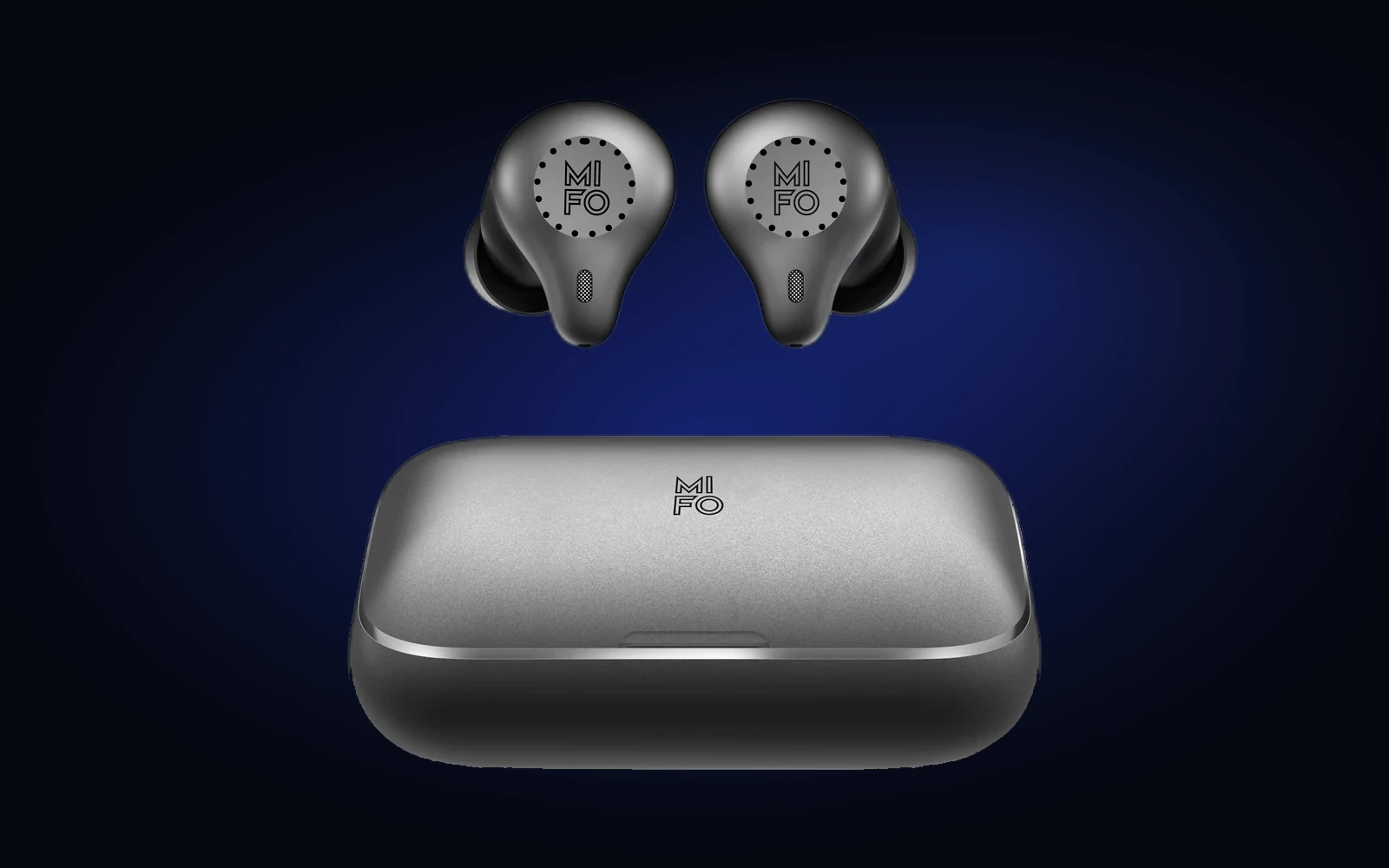
Fig. 01 — Mifo Gen 4 case pack: capacity reserved for reverse charge, not just bud top-ups
Capacity is not the product
Listing milliamp-hours is easy. Shipping a case that can refill a phone after a day of earbuds is not. The case has to hold energy for the buds, reserve energy for reverse charge, manage heat in aluminium, survive airline and retail abuse, and still feel like a premium object in the hand. That is a system, not a cell SKU.
On Mifo Gen 4 we sized the pack so reverse charge is a daily behaviour, not a demo. The case is machined aluminium for structure and heat spreading; the BMS policy prioritises bud readiness first, then controlled output to a phone or wearable. If either path is naive, users learn the product is a gimmick.
What the architecture has to decide
- Energy split: how much of the pack is reserved for reverse charge after a full bud day.
- Thermal envelope: aluminium helps spread heat; it does not remove the need for current limits and duty cycle.
- Connector and protocol: USB-C power delivery behaviour that fails gracefully when the host is picky.
- User model: reverse charge should feel like “open case, plug in, keep going” — not a settings menu.
If reverse charging only works on the trade-show table, it is not a feature. It is marketing inventory.
Why we own the stack
Reference designs optimise for bill of materials and a factory’s existing tool set. They rarely optimise for a 2600 mAh reverse-charge case that still carries hybrid ANC buds and IPX7. Owning mechanical, electrical and industrial design lets us place the pack, the antenna and the shell as one argument — the same reason Gen 4 is not a rebadged ODM catalogue page.
Power architecture is brand architecture. When the case recharges the phone that plays through the buds, the product stops being “earbuds with a box” and becomes a portable energy and audio system people reorganise their day around.